Author: Carl Austins

  • The Volcano That History Lost — And Why I Can’t Stop Thinking About It in 2025

    The Volcano That History Lost — And Why I Can’t Stop Thinking About It in 2025

    By Carl Austins

    I’m going to confess something that keeps me awake some nights: there is a colossal volcanic eruption (one of the ten biggest in two millennia) that literally changed the climate of the planet, turned sunsets the color of fresh blood for half a decade, helped trigger the last major subsistence crisis in Western Europe, inspired Frankenstein, and (this is the part that haunts me) we still don’t know where the hell it happened.

    The year was 1809. Somewhere in the high, jungle-choked Andes of what is now Colombia or Ecuador, a mountain detonated with such fury that it punched a plume of ash and sulphur thirty kilometres into the stratosphere. No European saw it. No ship’s log recorded the roar. The Indigenous nations who must have watched their sky turn black for weeks left no written testimony that has survived Spanish archives and time. The crater itself? Either erased by later eruptions or simply swallowed again by equatorial rainforest. Gone.

    And yet the evidence is screaming at us from every ice core drilled in Greenland and Antarctica: a sulphate spike in 1809–1810 that rivals Krakatau, followed six years later by the monster we all know, Tambora. Two gut punches to the global climate in less than a decade. The second one gets all the press. The first one (the opening act that softened the world up) is treated like a footnote.

    I find that unforgivable.

    Let me paint the scene for you the way it actually unfolded

    Imagine you’re a farmer in Vermont, 1812. You’ve already endured two weirdly cold summers. Your wheat is stunted. Then one July morning you step outside and the sun rises the color of arterial blood. It stays that way for years. Snow in Hungary falls brown and gritty, tasting of brimstone when you put it on your tongue. Turner in London can’t paint fast enough (those apocalyptic skies we admire in galleries now were real-time reportage). Chinese mandarins write frantic memorials about purple suns and silk ruined by crimson rain. Bengal opium harvests collapse, and the first waves of indentured laborers are shipped out to plantations that will one day be called Guyana and Trinidad.

    All because some mountain we can’t even name decided to rip itself apart on the far side of the planet.

    The detective story that keeps me up

    Since the 1990s, a handful of stubborn volcanologists (people like Tom Simkin, Steve Self, and later Shanaka de Silva) have been chasing this ghost eruption through ice cores, tree rings, and obscure 19th-century weather diaries. They’ve narrowed it down to a 2,000-kilometre stretch of the northern Andes, but every candidate volcano has an alibi. Galeras? Wrong chemistry. Puracé? Too small. There’s even a theory that the culprit was a short-lived, steam-blast “super-phreatic” event (essentially the Earth’s crust burped a continent-sized cloud of glass shards and never left a scar).

    I love that idea, because it means our catalogues of “dangerous” volcanoes are probably missing an entire class of apocalypse.

    Why this forgotten eruption feels personal right now

    In 2025 we are seriously debating deliberate stratospheric sulphate injection (solar geoengineering). The models all cite Tambora and Pinatubo as analogues. Almost none of them bother to include the 1809 precursor event. That’s like stress-testing a bridge using only half the historical flood data.

    We are proposing to do artificially what an anonymous mountain did by accident (twice in six years) and we still can’t find the first crime scene.

    A closing thought I can’t shake

    Mary Shelley wrote Frankenstein during the second of those blood-red summers, trapped indoors by endless rain, telling ghost stories by candlelight because the sun itself had turned hostile. She never knew the volcano’s name. Neither do we.

    Maybe that’s the real warning: the events that most profoundly reshape human history are sometimes the ones that happen in perfect silence, half a world away from anyone who bothered to write them down.

    And the atmosphere never forgets.

    — Carl Austin
    Somewhere under a normal-colored sunset, wondering what else we’ve missed.
  • Adelita Grijalva Sworn In After Seven-Week Delay | Arizona Political News

    Adelita Grijalva Sworn In After Seven-Week Delay | Arizona Political News


    Arizona Democrat Adelita Grijalva Sworn In After Contentious Seven-Week Delay

    By Carl Austins

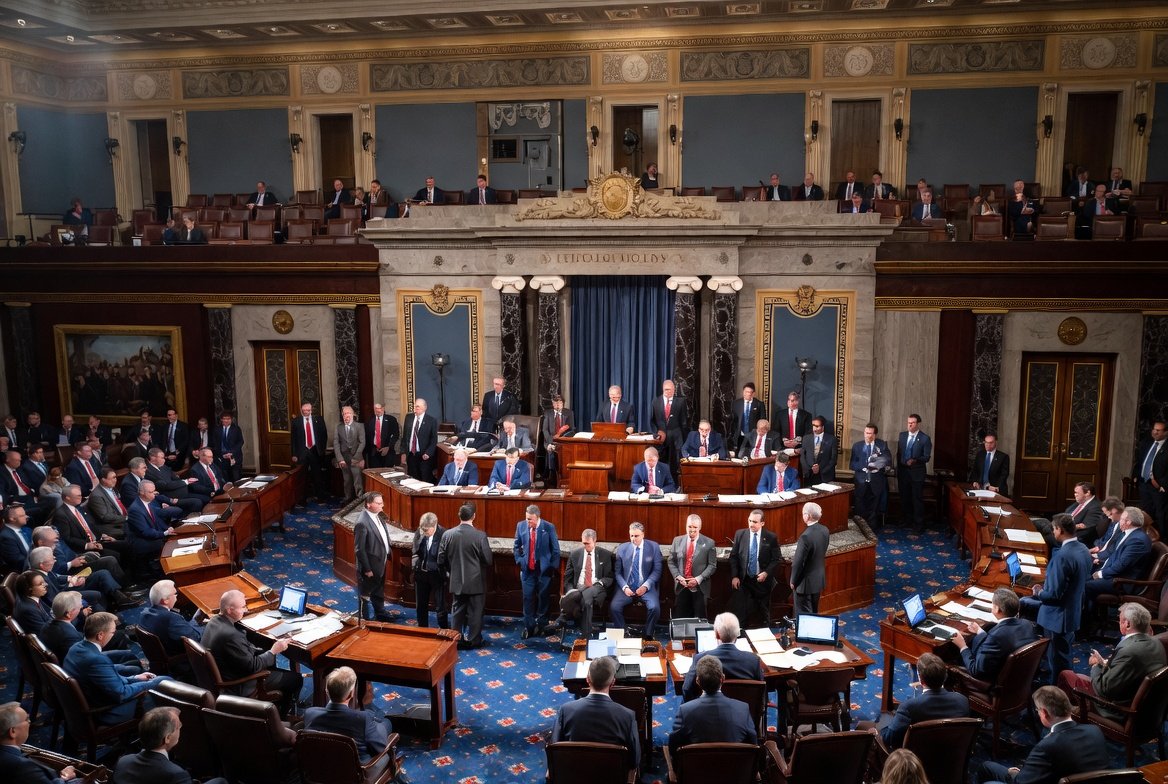
    Arizona’s political spotlight shifted sharply this week as Democrat Adelita Grijalva was finally sworn in after a tense and unusually prolonged seven-week delay—a procedural stall that ignited debate across the state and raised questions about modern partisan handling of election certifications.

    Grijalva, a veteran public servant and Pima County Supervisor, secured her seat in November. But her path to officially taking office became far more complicated than the vote tally alone suggested. For nearly two months, her certification was held up amid procedural disputes and political resistance—an impasse that left her district without full representation during the opening phase of the legislative session.

    The ceremony, when it finally occurred, was notably subdued. Supporters described a sense of relief more than celebration, while members of the opposing party offered restrained acknowledgments as the chamber moved forward with its agenda.


    What Led to the Delay?

    The delay stemmed from a prolonged challenge over the validity of her certification—part procedural, part political. Officials involved in the process sparred over whether certain administrative steps had been properly completed, and partisan voices amplified the controversy, each offering their own interpretation.

    Some lawmakers argued that the delay reflected a commitment to ensuring election procedures were unquestionably correct. Others saw it as a strategic slowdown aimed at preventing a Democratic legislator from taking her seat during key early-session debates.

    While the details varied depending on who was speaking, the outcome was the same: the delay kept a duly elected representative from serving for more than a month.


    Reaction From Grijalva and State Lawmakers

    Upon taking the oath, Grijalva expressed gratitude toward her supporters and emphasized a desire to shift focus back to the work ahead. She refrained from escalating the political tension, instead underscoring the need for stability and forward movement.

    State lawmakers responded along predictable partisan lines. Democrats described the delay as unnecessary and harmful to the district’s constituents. Republicans insisted that due diligence was essential and dismissed accusations of political maneuvering.

    The tension surrounding the delay has already sparked discussion about the state’s certification process and whether reforms may be necessary to prevent similar standoffs in the future.


    What This Means for Arizona’s Legislative Session

    With Grijalva finally sworn in, the legislature returns to full membership—a crucial change given the narrow margins that define Arizona’s political landscape. Her presence could influence upcoming debates on education, local governance, election policy, and budget priorities.

    Her district, which had spent the first part of the session without full representation, now has its seat restored at a pivotal time.


    Reporter’s Note

    Opinion:
    In my view, the seven-week delay highlights an uncomfortable trend in American politics—where procedural tools are increasingly used as political instruments. Whether one sees this as necessary oversight or unnecessary obstruction likely depends on their political lens. But regardless of viewpoint, prolonged vacancies ultimately weaken public trust in the process and leave everyday citizens with fewer voices speaking on their behalf.

    Counterargument:
    Supporters of the delay argue that the integrity of certifications must take precedence over speed. From this perspective, ensuring absolute procedural accuracy is not only justified but required—even if it results in significant delays. They maintain that cautious verification protects the long-term health of the electoral system.

    As always, readers should weigh both interpretations carefully.

    Cristy Sun


  • 15 Windows Keyboard Shortcuts You Didn’t Know But Should | ThinkForgeHub

    15 Windows Keyboard Shortcuts You Didn’t Know But Should | ThinkForgeHub


    15 Windows Keyboard Shortcuts Most People Don’t Know — But Should (Boost Your Productivity Instantly)

    By Carl Austins | ThinkForgeHub


    If you use a Windows computer every day but still rely mostly on your mouse, you’re missing out on one of the fastest ways to supercharge your workflow. Windows is packed with shortcuts—some well-known, many completely hidden—that can save minutes every day and hours every month.

    I’m not talking about the basics like Ctrl+C or Alt+Tab.
    I’m talking about the shortcuts even experienced users often don’t know exist.

    Here are the 15 most useful, underrated Windows keyboard shortcuts that genuinely improve speed, reduce frustration, and make you feel like you unlocked a secret menu in your operating system.


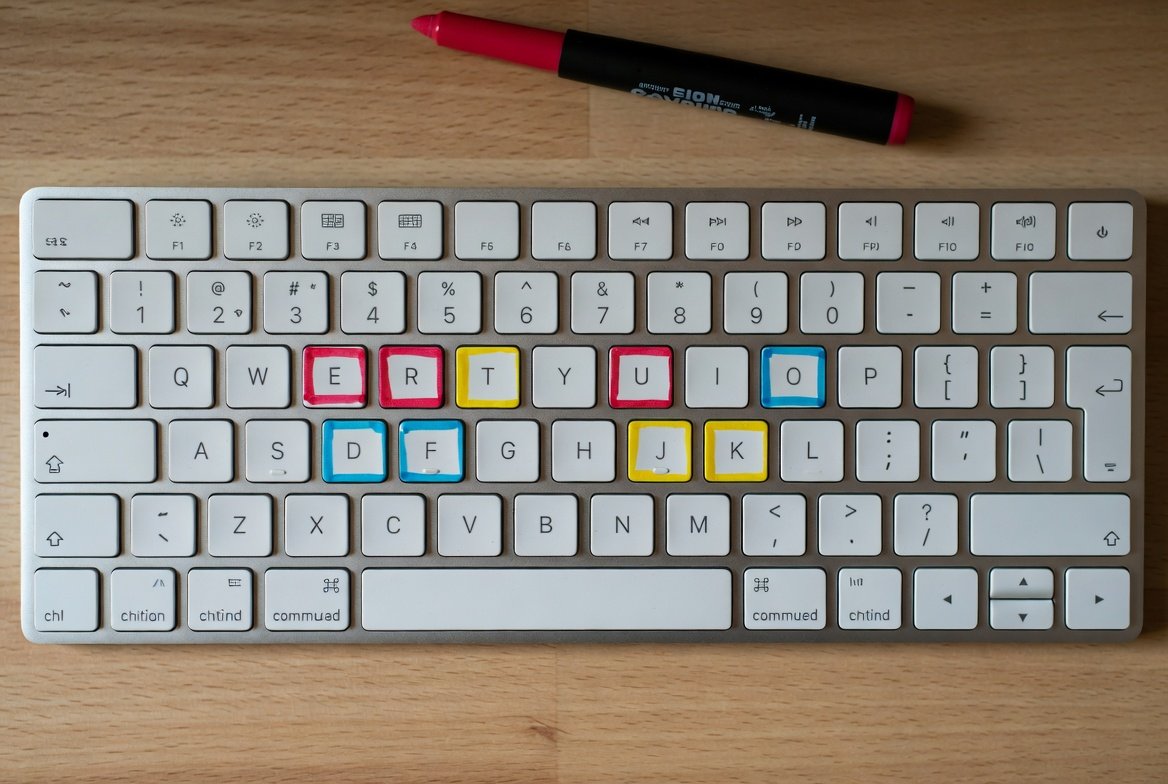
    1. Windows + V — Your Clipboard History (Life-Changing)

    You know how you copy something… then copy something else… and lose the first thing forever?

    Not anymore.

    Win + V opens your clipboard history, letting you paste anything you copied recently—even images. This shortcut alone saves me constantly.


    2. Windows + Shift + S — Built-In Screenshot Tool

    Forget Print Screen.

    This opens the Snipping Tool overlay, letting you draw a box, capture a region, and instantly paste the image.

    Perfect for:

    • saving receipts
    • capturing a part of a webpage
    • sending quick screen snippets to coworkers

    3. Windows + . (Period) — Emoji & Symbol Menu

    Need ✔, ➜, ★, 🧠, or 😊?

    Press Win + .
    Instant emoji, symbols, math characters, and even Kaomoji ( ¯\_(ツ)_/¯ ).


    4. Windows + Ctrl + Shift + B — Fix Frozen Screens

    If your screen glitches, freezes, or the display stutters, this shortcut restarts your graphics driver.

    It’s safe, instant, and avoids a full restart.


    5. Windows + Shift + Left/Right Arrow — Move Windows Between Monitors

    Multi-monitor users: this one is a dream.

    Press Win + Shift + → or to push your active window instantly to another monitor.


    6. Windows + Alt + R — Record Your Screen Instantly

    This activates the Xbox Game Bar’s screen recorder, which works in almost any app.

    Great for:

    • tutorials
    • saving bugs
    • recording gameplay
    • capturing meetings or presentations

    7. Ctrl + Shift + Esc — Open Task Manager Powerfully

    Better than Ctrl+Alt+Delete.

    It jumps straight to Task Manager, letting you kill a frozen program instantly.


    8. Windows + Tab — Timeline & Virtual Desktops

    This shows:

    • your open apps
    • your past activity
    • your virtual desktops

    Use it with Win + Ctrl + D to make a new virtual desktop.
    Use Win + Ctrl + ←/→ to switch between them.

    A massively underrated organization tool.


    9. Alt + D — Highlight the Address Bar in File Explorer or Browsers

    If you’re typing file paths or URLs, this saves so much clicking.


    10. Windows + L — Lock Your PC Instantly

    Walking away from your computer?
    Press Win + L and your PC locks immediately.

    Fast. Simple. Secure.


    11. F2 — Rename Files Lightning Fast

    Clicking slowly on a file to rename it is painful.

    Highlight the file → Press F2 → Type the name → Done.

    You can even rename multiple files in sequence with F2 repeated.


    12. Windows + Number Keys — Open Apps on Your Taskbar

    If Chrome is the first icon on your taskbar, press Win + 1.
    If File Explorer is second, press Win + 2.
    And so on.

    This is one of the fastest navigation shortcuts in Windows.


    13. Windows + Shift + M — Restore Minimized Windows

    If you minimized everything with Win + M, bring it all back with this shortcut.


    14. Alt + Enter — Properties for Any File

    Right-click menus take time.
    Highlight a file → press Alt + Enter → instantly open Properties.


    15. Windows + Ctrl + Shift + T — Reopen Your Last Virtual Desktop

    Just like reopening a browser tab, but for whole desktops.


    Bonus: Windows + E — Open File Explorer Instantly

    Not rare, but essential.
    Everyone should use it.


    Why These Shortcuts Matter

    Most people think keyboard shortcuts are just for tech enthusiasts, but they’re not. They’re one of the easiest ways to:

    • reduce repetitive tasks
    • minimize mouse fatigue
    • jump between tasks faster
    • keep your flow state uninterrupted
    • make your PC feel smooth and efficient

    Small habits add up. These shortcuts might save a few seconds each—but those seconds stack into hours of regained time each month.

    If you use your PC for work, school, or creative projects, learning these shortcuts is one of the simplest productivity upgrades you can make.


  • Disposable Plastics: Useful, Harmful, and More Complicated Than We Admit

    Disposable Plastics: Useful, Harmful, and More Complicated Than We Admit


    The Real Story of Disposable Plastics: Convenience, Consequence, and the Surprising Case for Carbon Sinks

    By Carl Austins | ThinkForgeHub


    The Everyday Convenience of Disposable Plastics—And Why We Rely on Them

    We can debate plastic forever, but the truth is simple: disposable plastics became dominant because they work.

    1. They improve sanitation and safety

    In medical settings, food handling, and global supply chains, single-use plastics reduce contamination and spoilage. That’s not theoretical—that’s millions of infections prevented and countless products kept viable.

    2. They reduce shipping emissions

    Plastics are extremely lightweight. Compared with glass or metal, they cut fuel use and lower transport-related CO₂.

    3. They keep costs down

    For families living paycheck to paycheck, plastic packaging isn’t wasteful—it’s a lifeline that keeps essentials affordable.

    These practical benefits are why disposable plastics exploded globally and why eliminating them entirely isn’t as straightforward as many people think.


    The Side We Try Not to Look At: Environmental and Health Costs

    But convenience doesn’t erase consequences, and plastics come with major ones—some visible, some hidden.

    1. Disposable plastics start as fossil fuels

    Around 99% of plastics come from petrochemicals, locking us deeper into oil and gas dependency.

    2. Recycling rates are shockingly low

    Most single-use plastics are never recycled. Many studies show recycling rates under 10% for the types of plastic used in food packaging, wrappers, and to-go items.

    3. They become microplastics that enter our bodies

    Microplastics are now found in:

    • drinking water
    • soil
    • sea salt
    • marine life
    • human blood
    • human lungs
    • placental tissue

    We don’t yet know the full health effects—but early findings raise serious concerns about inflammation, endocrine disruption, and long-term toxicity.

    4. “Eco alternatives” aren’t always better

    This is the nuance most people miss:

    • Paper bags can require 4x more water to produce.
    • Cotton totes need potentially hundreds of uses to offset their footprint.
    • Glass jars require much higher energy to produce and ship.

    The point isn’t that plastics are good—it’s that the alternatives come with trade-offs too.


    The Curveball: Could Plastics Act as Carbon Sinks?

    This is one of the most fascinating and misunderstood emerging ideas in sustainability.

    Recent research suggests that biogenic plastics—plastics made from plant-derived carbon—could theoretically store carbon long-term if manufactured and managed correctly.

    A 2025 Nature Communications study projected that plastics could store up to 270 million metric tons of CO₂-equivalent by 2050, but only under very strict conditions:

    • bio-based feedstocks
    • renewable energy manufacturing
    • 90% recycling rates
    • long product lifetimes
    • minimal leakage into the environment

    Right now?

    We hit almost none of these benchmarks.

    So is the carbon-sink idea real?

    Yes—but only for the plastics we aren’t using today.

    And only if global manufacturing, waste management, and bio-feedstock infrastructure transform dramatically.

    The potential is exciting. The reality is sobering.


    The Honest Balance: Pros, Cons, and What Actually Makes Sense

    Where disposable plastics make sense

    • Medical and sterile environments
    • Preventing food waste in long supply chains
    • Emergency situations and disaster relief
    • Situations where reusable options are inaccessible or impractical

    Where they do more harm than good

    • Ultra-short-life convenience items
    • Unnecessary packaging
    • Products that have effective reusable alternatives
    • Situations where disposal systems are overwhelmed or nonexistent

    Carl Austins’ Take: Use Plastics Strategically, Not Carelessly

    I don’t believe in guilt-driven environmentalism. I believe in honest environmentalism—where we consider full system impacts, unintended consequences, and the realities people face.

    My view:

    • Disposable plastics are not pure villains.
    • But they are massively overused.
    • And the carbon-sink argument should not be used as a free pass.

    If we’re thoughtful—if we use disposables in the situations where they perform best, and reduce them elsewhere—we can have a healthier balance.

    A smarter future for plastics looks like this:

    • Less unnecessary use
    • More reusable systems
    • Rapid investment in bioplastic research
    • Renewable-powered manufacturing
    • True recycling infrastructure
    • Policy that makes waste expensive and circularity profitable

    If we get those things right, plastics could shift from a planetary burden to a managed, even useful, material.

    But we’re not there yet.


    Final Thoughts: Disposable Doesn’t Mean “Gone”

    Plastics stay with us—literally and figuratively. We find them in oceans, soil, bloodstreams, and ecosystems. We also find them protecting food, saving lives, and making goods more accessible.

    The question isn’t whether plastics are good or bad.
    The question is whether we’re using them responsibly—and whether we’re building the systems to handle them properly.

    The carbon-sink idea shows promise, but promise isn’t practice. Until then, our best path forward is moderation, mindful use, better design, and policies that push industry toward circularity.

    We can’t pretend disposables disappear.
    But we can make sure their impact does.

    Carl Austins

  • How the World’s Fastest Typists Became Lightning-Fast — and What We Can Learn from Them

    How the World’s Fastest Typists Became Lightning-Fast — and What We Can Learn from Them

    By Carl Austins | ThinkForgeHub

    Meta Description:
    Discover how the world’s fastest typists reached record-breaking speeds — and how you can too. Learn professional typing strategies, muscle-memory techniques, and mindset habits that can turn slow typists into masters of speed and accuracy.

    Primary Keywords:
    typing speed improvement, fastest typists, typing strategies, learn to type faster, touch typing, typing accuracy, keyboard practice, typing tips for beginners, typing techniques, muscle memory typing.


    Introduction: The Art and Science of Speed Typing

    I’ve always been fascinated by speed — not just physical speed, but the kind that blends precision, rhythm, and flow. Watching someone type at over 200 words per minute feels like witnessing a superpower in motion. Yet here’s the secret: none of the world’s fastest typists were born fast.

    Their abilities are trained, not gifted. They use structured practice, data-driven repetition, and ergonomic discipline to reach levels most people think are impossible. And the best part? The same methods that took them to world-record speeds can dramatically improve how fast and accurately you type — even if you currently struggle.

    Let’s explore what they do differently, what science says about it, and how you can apply their lessons to your everyday work, writing, or coding.


    1. Meet the Legends: Typing Champions Through the Ages

    To understand mastery, we first need to meet the masters.

    • Sean Wrona, an American competitive typist, has reached 256 words per minute in short bursts and maintains accuracy that seems superhuman.
    • Barbara Blackburn, a name forever tied to typing history, sustained 150 wpm for nearly an hour and peaked at 212 wpm — all using the Dvorak Simplified Keyboard.
    • Stella Pajunas, in 1946, broke records on an IBM electric typewriter, typing at 216 wpm long before computers were common.

    Different eras, same principle: they built speed not through shortcuts, but through intentional, data-informed training.


    2. Pattern Recognition: The Secret Behind Lightning Speed

    One of the least-known facts about professional typists is that they don’t think in letters — they think in patterns.

    Elite typists type in “chunks,” automatically recognizing groups like “the,” “ing,” “tion,” or “and.” Instead of spelling, their hands perform motion sequences — like a pianist playing chords. Psychologists call this motor chunking — the process of grouping small actions into larger, fluid movements.

    Practical Tip: Train Pattern Awareness

    • Use typing software like Monkeytype or Keybr that focus on rhythm and pattern flow.
    • Practice repeating entire phrases instead of single words — this helps the brain form chunked pathways.
    • Type common words or your own writing drafts repeatedly to build familiarity.

    3. The Power of Muscle Memory: “Your Fingers Know English”

    At high speeds, the conscious brain can’t keep up. The best typists rely on procedural memory — the same unconscious system that lets you drive a car without thinking about shifting gears.

    As Sean Wrona once said, “You stop thinking about the keys entirely. It’s like your fingers know English.”

    This state is achieved through repetition with precision, not speed alone.

    How You Can Build Muscle Memory

    1. Prioritize accuracy. Every error rewires bad habits.
    2. Use focused sprints. Short, 1–2 minute typing sessions yield faster improvement than marathon practice.
    3. Gradually increase speed. Push 5–10% above your comfort zone — not 50%.

    Muscle memory thrives on small, correct repetitions. That’s how “hunt-and-peck” typists transform into touch typists.


    4. Keyboard Layout and Ergonomics: The Unsung Heroes of Speed

    Barbara Blackburn’s world record was set on the Dvorak Simplified Keyboard, a layout designed to minimize finger movement. Others, like Sean Wrona, stayed with standard QWERTY and achieved similar speeds.

    The truth: the layout doesn’t make you fast — comfort and consistency do. Typing speed comes from familiarity and ergonomics, not from magic key positions.

    Ergonomic Tips from the Pros

    • Maintain a straight wrist angle to reduce tension.
    • Keep shoulders relaxed and elbows at 90 degrees.
    • Adjust keyboard height to prevent reaching or hunching.

    Comfort allows endurance — and endurance enables practice.


    5. Flow State: The Typist’s Hidden Gear

    The world’s fastest typists often describe a trance-like focus — a flow state where thought and movement fuse. Distraction kills rhythm; rhythm fuels speed.

    How to Enter Typing Flow

    • Create a distraction-free zone (mute notifications, silence your phone).
    • Type to instrumental or metronomic music to maintain pace.
    • Practice daily at the same time — consistent routine builds faster access to flow.

    Flow typing isn’t just about mechanics — it’s about mental clarity. Once you feel it, typing becomes effortless.


    6. Data-Driven Practice: How Pros Train Like Scientists

    Top typists don’t just practice — they measure. They track words per minute (WPM), accuracy, and even key latency (time between presses). They analyze their weak letters and refine specific motion sequences.

    You can do the same.

    Train Like the Pros

    • Use platforms like TypingTest, Keyhero, or Monkeytype to track real data.
    • Review which keys cause the most errors.
    • Set micro-goals (example: improve “left hand accuracy” or “reduce pause time after comma”).

    What gets measured gets improved.


    7. Mindset: The Real Secret Ingredient

    The final piece isn’t physical — it’s psychological. Every elite typist shares a single mindset: discipline through enjoyment.

    Barbara Blackburn didn’t just practice to be fast; she practiced because she loved the rhythm of it. Sean Wrona still types competitively because it’s fun for him. They see typing as both craft and sport.

    How to Adopt the Mindset

    • Stop chasing speed. Chase flow and control.
    • Celebrate small improvements — speed follows mastery.
    • Turn typing practice into a game — compete with your past scores.

    Speed is not the goal; mastery is. But mastery creates speed.


    Carl Austins’ Final Thoughts: Typing as a Modern Superpower

    Typing faster isn’t about bragging rights — it’s about freedom. The faster your hands can keep up with your thoughts, the more fluently you can express ideas. Whether you’re writing code, creating art, or composing essays, typing is how you translate thought into creation.

    The world’s fastest typists mastered that translation. They learned to think with their hands. And if they could do it — patiently, deliberately, joyfully — so can you.

    So here’s my challenge: don’t think of typing as a chore. Think of it as a language of motion. Every keystroke is a note, every word a rhythm, every paragraph a song.

    Practice long enough, and one day you’ll sit down, start typing — and realize you’ve stopped thinking altogether.

    That’s the moment you’ve arrived.

    Carl Austins, ThinkForgeHub

  • Tariffs, Deficits, and the Hidden Cost to America’s Economic Engine

    Tariffs, Deficits, and the Hidden Cost to America’s Economic Engine

    By Carl Austins | ThinkForgeHub

    Meta Description:
    An in-depth, evidence-based look at how U.S.–China tariffs reshape the American economy, supply chains, and trade deficit — revealing costs most Americans never see.


    Introduction

    I’ve spent years studying global economics and trade policy, and I’ve learned one thing: numbers rarely tell the full story. When we hear that “new tariffs will protect U.S. jobs” or “reduce the trade deficit,” we tend to imagine a neat, patriotic equation. But the truth is far more complex — and far more consequential.

    The tariffs now defining the U.S.–China relationship are not a temporary scuffle. They are reshaping the structure of the American economy itself, influencing prices, supply chains, the federal budget, and the pace of long-term growth. The irony? The very tools meant to “make America stronger” may, if left unchecked, slowly weaken the foundation that built it.


    The Tariff Reality: What the Data Reveal

    Since the initial tariff rounds began in 2018, the United States has imposed duties on hundreds of billions of dollars in Chinese imports. Supporters argue that this helps domestic industry and narrows the trade deficit. In the short term, tariff revenue can look like a fiscal victory — billions collected at the border, contributing to a smaller federal deficit on paper.

    But these numbers are deceptive. Tariffs do not operate in a vacuum. They ripple through every layer of production — from importers and manufacturers to consumers — raising costs and constraining growth.

    And most importantly, tariffs do not address the deeper macroeconomic roots of America’s trade deficit, which stem from structural imbalances between domestic spending, savings, and investment. In that sense, tariffs treat the symptom, not the disease.


    Hidden Impacts That Most Americans Overlook

    1. Tariffs Hit U.S. Manufacturers — Even the “Patriotic” Ones

    Many Americans assume tariffs only apply to finished goods from China. In reality, more than half of what the U.S. imports from China are intermediate goods — components and materials used in American factories.

    When tariffs raise those input costs, U.S. manufacturers pay more to build their products. That increases domestic production costs and makes “Made in America” goods less competitive globally. Ironically, protectionist tariffs can end up punishing American industry.

    2. Tariffs Act Like a Slow-Burn Tax on Households

    Even if consumers don’t realize it, they pay part of every tariff through higher prices. Economists estimate that between 50% and 70% of tariff costs are passed directly to U.S. buyers. Unlike income taxes, these costs aren’t visible on a paycheck — they quietly show up at the grocery store, the hardware aisle, or the electronics counter.

    3. Inflation Pressure and Wage Stagnation

    When tariffs increase input prices, companies must either raise consumer prices or absorb the losses. Most raise prices. Over time, this fuels inflationary pressure that outpaces wage growth. For American families already struggling with rising costs, tariffs are inflation dressed as nationalism.

    4. The Illusion of a Shrinking Deficit

    Tariffs can temporarily increase government revenue — and that looks good in a Congressional Budget Office chart. But it’s an illusion built on short-term arithmetic. As trade flows shift, businesses relocate sourcing to non-tariffed countries, and consumers reduce spending, the flow of tariff revenue declines. Meanwhile, the damage to growth and productivity can widen the long-term deficit by slowing economic expansion — the real driver of tax receipts.

    5. Supply Chains Are Not Easily Rebuilt

    Another under-discussed truth: moving production away from China doesn’t mean cutting dependence on China. Most alternative suppliers — from Vietnam to Mexico — still rely on Chinese components. It’s a “China + 1” world, not a “China-free” one. The global supply chain remains tethered, even if the political rhetoric claims otherwise.

    6. The Deficit Is a Mirror, Not a Scoreboard

    The U.S. trade deficit reflects deeper structural choices: we consume more than we produce, we save less than we invest, and the dollar remains the world’s reserve currency. Tariffs can rearrange who we buy from, but they cannot rewrite those fundamentals. Until domestic savings rise or fiscal discipline improves, the deficit persists — even if China’s share shrinks.


    Why This Matters for America’s Future

    Tariffs are appealing because they feel immediate. They let policymakers point to a visible border policy and say, “We’re fighting back.” But in the long run, tariffs operate like cholesterol — slow, invisible, and cumulative.

    Every extra cent paid on imported materials, every dollar of lost global competitiveness, every retaliatory barrier against American exporters — these quietly erode the same economic strength tariffs are meant to protect.

    If this continues, we risk a long-term outcome where the U.S. economy becomes less dynamic, innovation slows, and debt grows faster than productivity. The deficit may look smaller on paper today, but in ten years, a slower-growth economy will yield lower tax revenue — and that means a bigger real deficit tomorrow.


    My Perspective: What the U.S. Should Do Instead

    As someone who believes in critical thinking over reactionary politics, I see a better path forward:

    1. Invest in Innovation, Not Barriers – Tariffs protect existing industries, but America’s edge has always come from building new ones.
    2. Address the Real Causes of the Deficit – Focus on national savings, fiscal responsibility, and productivity rather than bilateral trade fights.
    3. Strengthen, Don’t Sever, Global Ties – Cooperation with allies on technology and supply-chain resilience would yield more security than isolation.
    4. Use Tariff Revenue Strategically – If we must collect tariffs, channel that revenue toward research, energy, and infrastructure — assets that actually increase long-term growth.
    5. Communicate Economic Truths Honestly – Americans deserve clear, data-driven explanations, not slogans. The public should understand that tariffs are not free — they’re a deferred tax on their own prosperity.

    Conclusion

    The tariff war with China will define this era of U.S. economic policy. Yet, what concerns me most is not the political drama, but the quiet consequences that rarely make headlines: higher costs, slower innovation, a distorted deficit narrative, and a less flexible economy.

    In the pursuit of protection, we may end up protecting the wrong thing — our fears instead of our future.
    If America wants to lead, it must focus on competitiveness, not containment; growth, not punishment; and facts, not illusions.

    Carl Austins, ThinkForgeHub


    References

    1. Fajgelbaum, P. & Khandelwal, A. (2024). Trade Conflicts and Supply Chain Reconfiguration. National Bureau of Economic Research.
    2. Grossman, G., Helpman, E., & Szeidl, A. (2022). When Tariffs Disrupt Global Supply Chains. Harvard University.
    3. Shambaugh, J. (2025). Tariffs Are a Particularly Bad Way to Raise Revenue. Brookings Institution.
    4. Federal Reserve Board (2025). Trade-offs of Higher U.S. Tariffs: GDP, Revenues, and the Trade Deficit.
    5. Dallas Federal Reserve (2025). Are Trade Deficits Good or Bad, and Can Tariffs Reduce Them?
    6. World Bank (2023). The Hidden Risks of Intermediate Goods Tariffs.
    7. Peterson Institute for International Economics (2025). Global Trade War Update.
    8. Congressional Budget Office (2025). Projected Fiscal Effects of Tariff Policy.
    9. Intereconomics (2025). The Trade Deficit Delusion: Why Tariffs Will Not Make America Great Again.
    10. Luo, Kang, & Di. (2025). Global Supply Chain Reallocation Under Triple Crises: A U.S.–China Perspective.
  • Why I Recommend Stannous Fluoride Toothpaste Over Other Fluorides: A Research-Driven Perspective

    Why I Recommend Stannous Fluoride Toothpaste Over Other Fluorides: A Research-Driven Perspective

    By Carl Austins

    As someone who spends a significant amount of time navigating academic literature, I’ve learned that oral-care science is often more nuanced than advertising suggests. My research into fluoride formulations began as casual reading, but the deeper I went, the more I realized the gap between what consumers believe and what clinical evidence actually demonstrates. Over time, one conclusion emerged with remarkable consistency:

    Stannous fluoride (SnF₂) toothpaste offers broader, more comprehensive protection than sodium fluoride (NaF) and sodium monofluorophosphate (SMFP).

    This isn’t a marketing claim — it’s a research-based observation shaped by months of reading peer-reviewed studies, dental-hygiene reviews, clinical trials, and meta-analyses. Here is why I recommend SnF₂ over other fluoride types, and the evidence that convinced me.


    What Makes Stannous Fluoride Different — Insights From the Literature

    1. Strong antimicrobial, anti-plaque, and anti-gingivitis activity

    One of the most compelling distinctions is SnF₂’s antimicrobial effect. The stannous (tin) ion disrupts metabolic activity in oral bacteria and slows biofilm formation — something NaF and SMFP simply don’t do.

    Clinical evidence shows:

    • Significant reductions in gum bleeding
    • Lower plaque accumulation
    • Suppressed inflammatory markers

    A 2021 randomized controlled trial published in BMC Oral Health found that stabilized SnF₂ toothpaste produced “highly significant reductions in gingival inflammation and bleeding” compared to NaF after 2–3 weeks of use.
    (Reference: West et al., 2021)

    A review in the International Journal of Dentistry confirmed that the antimicrobial benefits of SnF₂ lead directly to measurable improvements in gingivitis outcomes.
    (Reference: Waltimo et al., 2014)

    These findings were echoed across multiple papers I reviewed — which is unusual consistency in oral-care research.


    2. Superior protection against enamel erosion and early caries

    Much of the population consumes acidic drinks daily — coffee, soda, energy drinks, flavored waters — and acid erosion is becoming a major dental concern. Studies comparing SnF₂ and NaF repeatedly show that SnF₂ forms a stronger, tin-rich protective layer on enamel.

    Key points supported by research:

    • SnF₂-treated enamel loses significantly less surface hardness after acid exposure
    • Tin-based deposits reinforce enamel against demineralization
    • Early-stage carious lesions reharden more effectively

    A systematic review published in The Journal of Clinical Dentistry highlights that SnF₂ is “more effective than sodium fluoride in reducing enamel erosion and surface loss under repeated acidic challenge.”
    (Reference: Huysmans et al., 2011)

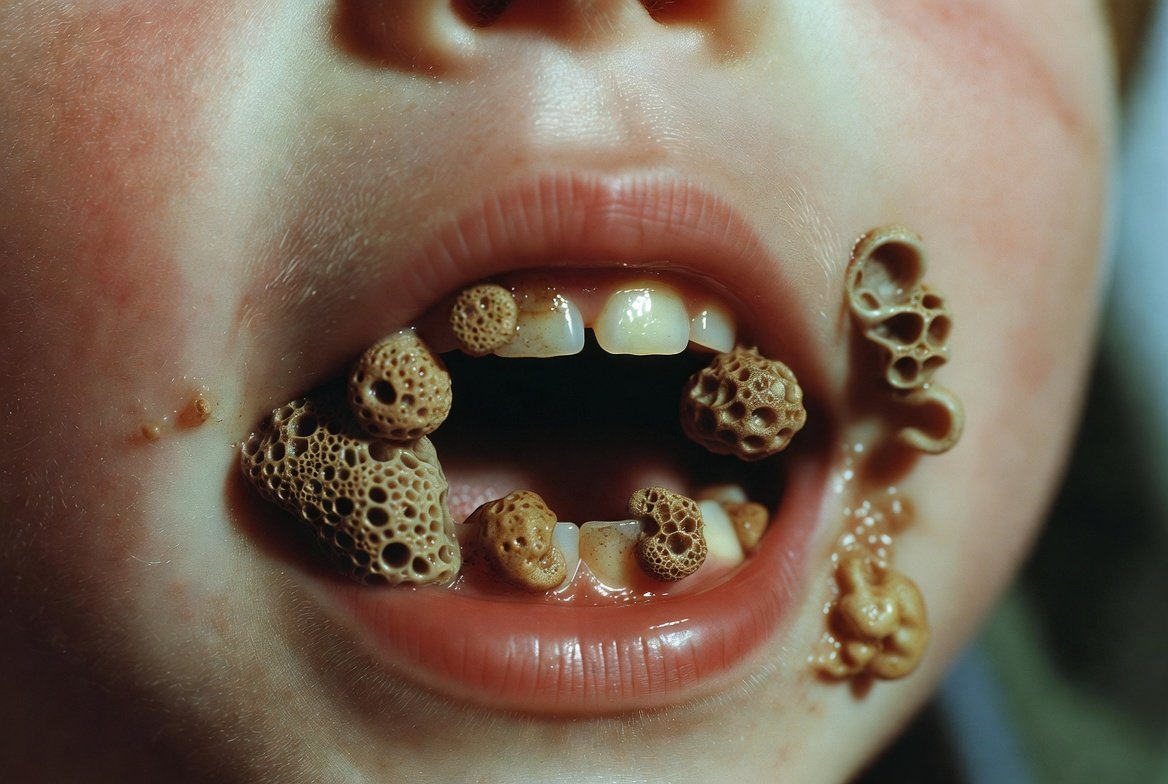
    When you see enamel-protection images from scanning electron microscope studies, the difference between SnF₂ and NaF becomes visually obvious — SnF₂ forms a denser, more uniform protective layer.


    3. True desensitization through dentinal tubule occlusion

    SnF₂ excels at reducing sensitivity because its mechanism addresses the root cause: open dentinal tubules. NaF does not consistently occlude these tubules.

    Studies demonstrate that SnF₂:

    • Forms tin-rich precipitates
    • Physically blocks dentinal tubules
    • Reduces neural fluid movement (the pain trigger)

    A clinical evaluation published in American Journal of Dentistry showed statistically significant pain reduction with stabilized SnF₂ due to long-lasting tubule occlusion.
    (Reference: Schiff et al., 2018)

    This isn’t just symptom masking — it’s structural change.


    4. Stabilized formulations have solved the old problems

    Historically, SnF₂ toothpaste had drawbacks: metallic taste, instability, and minor staining. Modern stabilization technologies have resolved these issues.

    A review in Dimensions of Dental Hygiene explains how modern stabilizing compounds maintain tin-ion bioavailability while preventing oxidation and preventing stain formation.
    (Reference: Delgado et al., 2015)

    Today’s SnF₂ toothpastes maintain efficacy while minimizing side effects.


    5. Broader benefits than NaF or SMFP alone

    Traditional fluorides are not bad — they simply do less.

    NaF primarily helps remineralize enamel. SMFP releases fluoride slowly. Both are effective for preventing cavities but do not:

    • Fight plaque
    • Reduce gingivitis
    • Block sensitivity
    • Protect against acid erosion

    SnF₂ does all four — and that’s not marketing language; it’s repeatedly shown in dental literature.


    Who Should Consider Stannous Fluoride: My Evidence-Based Recommendations

    Based on everything I’ve reviewed, I strongly recommend SnF₂ toothpaste for:

    • People with gum inflammation or bleeding
    • Those who regularly drink acidic beverages
    • Adults with sensitive teeth or exposed roots
    • Older adults dealing with erosion or gum recession
    • Anyone wanting comprehensive “one-tube” protection

    Standard NaF toothpaste is still appropriate for low-risk individuals — but SnF₂ offers broader preventive power.


    References (Selected Evidence Base)

    1. West, N.X. et al. (2021). “The efficacy of stabilized stannous fluoride toothpaste on gingivitis and plaque.” BMC Oral Health.
    2. Waltimo, T. et al. (2014). “Antimicrobial and anti-gingivitis properties of stannous fluoride toothpaste.” International Journal of Dentistry.
    3. Huysmans, M.C. et al. (2011). “Comparison of stannous and sodium fluoride in preventing enamel erosion: a systematic review.” Journal of Clinical Dentistry.
    4. Schiff, T. et al. (2018). “Clinical evaluation of stannous fluoride dentifrices for dentin hypersensitivity.” American Journal of Dentistry.
    5. Delgado, A.J., & Olafsson, V.G. (2015). “Stannous Fluoride: Its Benefits and Enhancements.” Dimensions of Dental Hygiene.
    6. American Dental Association. “Fluoride: Topical and Systemic Supplements.” Official ADA resource.

    These represent only a portion of the larger body of evidence, but they reflect the pattern I kept seeing as I read deeper: stannous fluoride repeatedly shows superior multi-dimensional protection.

  • When Knowledge Becomes Noise: A Personal Reflection on AI, Dilution, and the Fragility of Human Understanding

    When Knowledge Becomes Noise: A Personal Reflection on AI, Dilution, and the Fragility of Human Understanding

    By: Carl Austins
    As a concerned graduate student studying the intersection of technology and society, I’ve become deeply troubled by the rapid expansion of artificial intelligence and the consequences it may have on human understanding. While AI offers unprecedented access to information, it may inadvertently dilute the quality of knowledge, distort truth, and increase the spread of misinformation.

    As I move deeper into graduate-level research, I can’t shake an unsettling thought: AI is simultaneously giving us more information than humanity has ever possessed and eroding the very foundations of how we understand information. The contradiction feels almost poetic—like watching a dam burst while we’re still standing on the riverbank, admiring the speed of the water.

    We are living through a moment that future historians might describe as the Inflection Point of Knowledge: the era where information became infinite, effortless, and dangerously unfiltered.

    The Disappearance of Productive Struggle

    One of the most consistent themes across educational psychology is the concept of “desirable difficulty,” coined by Robert Bjork. The idea is simple: we learn more deeply when we struggle constructively. Graduate school embodies this principle—hours spent reading, analyzing, cross-checking sources, discussing contradictory viewpoints.

    AI eradicates that difficulty.

    The friction that once forced us to think—slowly and painfully—is disappearing. And without friction, the neural pathways that support deep understanding weaken. This isn’t theoretical; researchers have observed similar cognitive shortcuts in the rise of calculators and GPS systems. Few people under 40 can read a map confidently anymore.

    What happens when people stop reading deeply?
    What happens when shortcut thinking becomes the norm?

    History Has Seen This Before

    Whenever a revolutionary technology expands access to information, society celebrates—but also suffers consequences.

    The Printing Press (15th century)

    The printing press democratized knowledge, but it also led to the explosion of pamphlets spreading misinformation, political propaganda, and unverified claims. Martin Luther used it to challenge the Catholic Church; countless others used it to distribute pseudoscience and fear.

    The irony is historic:
    A tool built to spread knowledge also accelerated misinformation.

    The Radio Era (early 20th century)

    Radio brought mass communication into homes, but it also amplified voices like Father Coughlin—who spread conspiracy theories to millions. Historians note that radio’s influence on public opinion outpaced society’s ability to vet content.

    The Internet (late 20th century)

    The early internet was a miracle—unprecedented access to global knowledge. But it quickly became a breeding ground for misinformation, echo chambers, and mass content duplication. Studies show that false news spreads faster on Twitter than factual news because of its emotional impact and shareability.

    AI is repeating the pattern—only exponentially faster.

    The Feedback Loop of Diluted Information

    AI systems learn by consuming vast amounts of text, images, and data from the web. But here’s the problem:

    • If AI-generated content floods the internet
    • Then future AI models scrape that content as training data
    • And over time, models become more detached from factual, human-verified ideas

    This isn’t hypothetical. AI researchers have warned of what they call Model Collapse, where models trained on AI-generated content degrade in quality, coherence, and factuality. It’s like making photocopies of photocopies—the quality deteriorates with every generation.

    The more polluted the information landscape becomes, the harder it is for AI to distinguish truth from noise. And if AI can’t distinguish it, neither can the people relying on AI for answers.

    The Risk of Cognitive Complacency

    Convenience is seductive.

    When a machine gives us instant explanations, we forget how to question them. This isn’t new—Socrates expressed concern that the invention of writing would weaken human memory, arguing that people would no longer practice remembering. Medieval scholars worried the printing press would cheapen intellectual authority.

    Their fears weren’t entirely misplaced.
    Each innovation changed how society thought—sometimes for the worse.

    The concern today is not just that AI gives us answers, but that it gives us confident answers. And confidence, even when misplaced, has a psychological effect on the reader. People tend to trust coherent explanations—even if they are factually wrong.

    The Human Signal Is Fading in the Noise

    If knowledge is power, then diluted knowledge is dangerous.

    We are moving toward a world where genuine expertise—built through discipline, specialization, and years of intellectual struggle—is drowned out by AI-generated content that appears equally polished. This is not just an academic concern; it’s a societal one.

    • How does a high school student know which explanation of a scientific concept is correct when AI generates countless variations?
    • How does a researcher verify sources when citations themselves may be AI-fabricated?
    • How does an AI model differentiate between real peer-reviewed research and synthetic content designed to imitate it?

    The human voice risks becoming just another signal in a sea of algorithms.

    AI Needs Us More Than We Realize

    AI is not a self-sustaining intelligence. It is a reflection of us—our data, our knowledge, our culture, our failures. Without humans maintaining high standards of truth, rigor, and verification, AI becomes directionless.

    We are the custodians of the informational ecosystem.

    If we allow it to fill with unverified, synthetic content, AI will lose its ability to help us. It will lose the anchor that keeps it tethered to reality.

    A Call to Preserve the Integrity of Knowledge

    I don’t think AI is inherently harmful. I think it is powerful—and power without responsibility is always risky.

    What makes knowledge meaningful isn’t its accessibility; it’s our relationship with it. Knowledge requires interpretation, context, skepticism, humility, and effort. These are human qualities that no machine can replicate.

    If we surrender those qualities, we risk becoming passive consumers of information rather than active participants in understanding.

    The future of knowledge depends on whether we choose to remain intellectually engaged or outsource thinking entirely.

    Because if we lose the ability to filter truth from noise, we lose the essence of what it means to understand.