
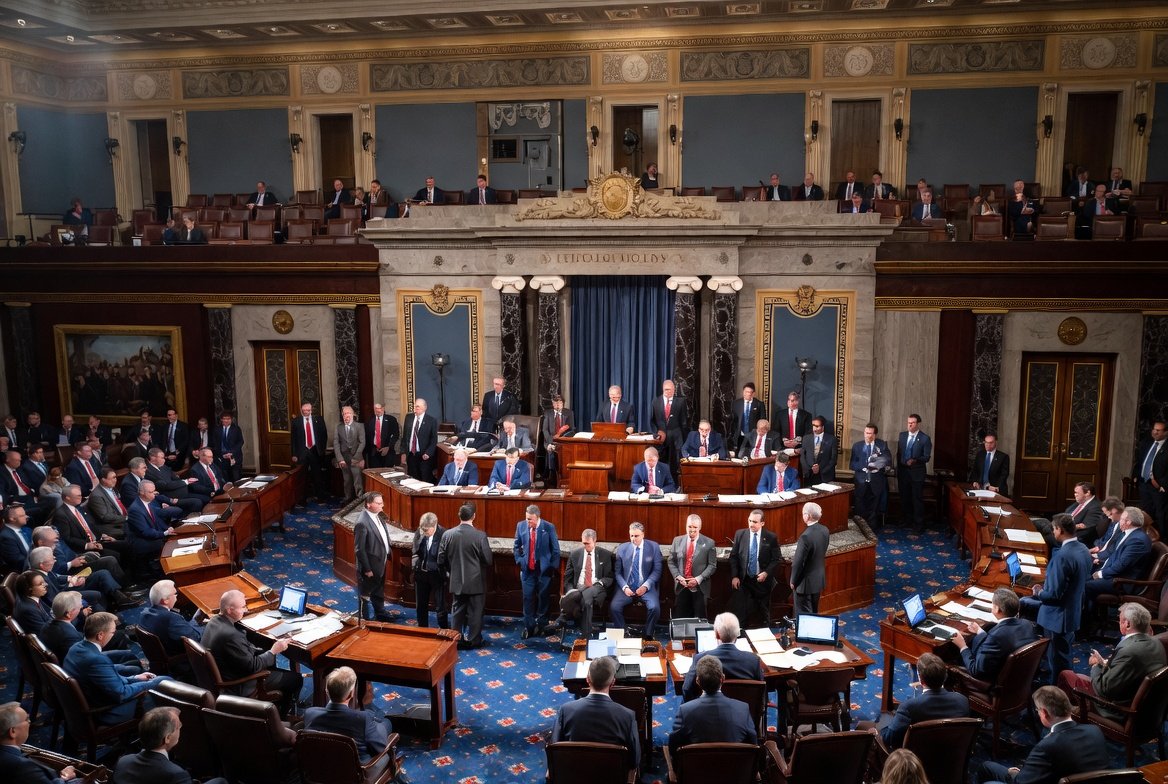
Arizona Democrat Adelita Grijalva Sworn In After Contentious Seven-Week Delay
By Carl Austins
Arizona’s political spotlight shifted sharply this week as Democrat Adelita Grijalva was finally sworn in after a tense and unusually prolonged seven-week delay—a procedural stall that ignited debate across the state and raised questions about modern partisan handling of election certifications.
Grijalva, a veteran public servant and Pima County Supervisor, secured her seat in November. But her path to officially taking office became far more complicated than the vote tally alone suggested. For nearly two months, her certification was held up amid procedural disputes and political resistance—an impasse that left her district without full representation during the opening phase of the legislative session.
The ceremony, when it finally occurred, was notably subdued. Supporters described a sense of relief more than celebration, while members of the opposing party offered restrained acknowledgments as the chamber moved forward with its agenda.
What Led to the Delay?
The delay stemmed from a prolonged challenge over the validity of her certification—part procedural, part political. Officials involved in the process sparred over whether certain administrative steps had been properly completed, and partisan voices amplified the controversy, each offering their own interpretation.
Some lawmakers argued that the delay reflected a commitment to ensuring election procedures were unquestionably correct. Others saw it as a strategic slowdown aimed at preventing a Democratic legislator from taking her seat during key early-session debates.
While the details varied depending on who was speaking, the outcome was the same: the delay kept a duly elected representative from serving for more than a month.
Reaction From Grijalva and State Lawmakers
Upon taking the oath, Grijalva expressed gratitude toward her supporters and emphasized a desire to shift focus back to the work ahead. She refrained from escalating the political tension, instead underscoring the need for stability and forward movement.
State lawmakers responded along predictable partisan lines. Democrats described the delay as unnecessary and harmful to the district’s constituents. Republicans insisted that due diligence was essential and dismissed accusations of political maneuvering.
The tension surrounding the delay has already sparked discussion about the state’s certification process and whether reforms may be necessary to prevent similar standoffs in the future.
What This Means for Arizona’s Legislative Session
With Grijalva finally sworn in, the legislature returns to full membership—a crucial change given the narrow margins that define Arizona’s political landscape. Her presence could influence upcoming debates on education, local governance, election policy, and budget priorities.
Her district, which had spent the first part of the session without full representation, now has its seat restored at a pivotal time.
Reporter’s Note
Opinion:
In my view, the seven-week delay highlights an uncomfortable trend in American politics—where procedural tools are increasingly used as political instruments. Whether one sees this as necessary oversight or unnecessary obstruction likely depends on their political lens. But regardless of viewpoint, prolonged vacancies ultimately weaken public trust in the process and leave everyday citizens with fewer voices speaking on their behalf.
Counterargument:
Supporters of the delay argue that the integrity of certifications must take precedence over speed. From this perspective, ensuring absolute procedural accuracy is not only justified but required—even if it results in significant delays. They maintain that cautious verification protects the long-term health of the electoral system.
As always, readers should weigh both interpretations carefully.
— Cristy Sun